uhai · Swahili for “life”
Your best photos and videos, findable in plain English
Uhai is an AI media library for African tourism. It reads the photo and video archive already sitting on your Google Drive, identifies the wildlife, tracks who is allowed to use what, and makes all of it searchable — for your team and your agencies.
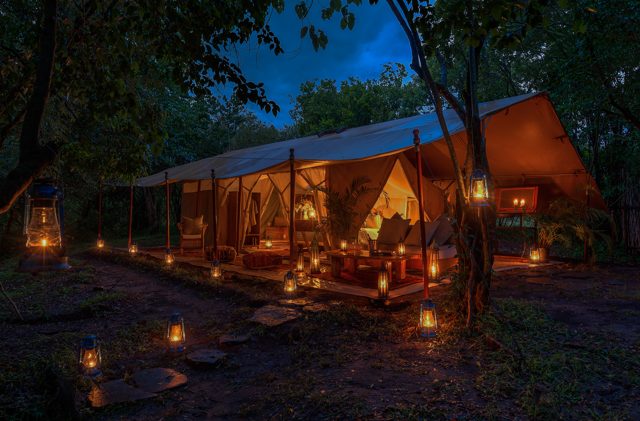
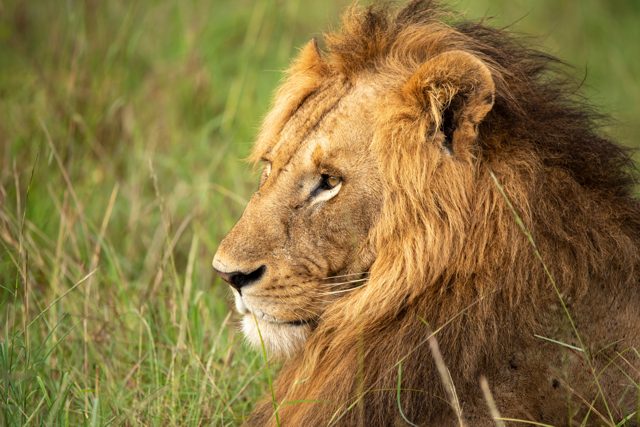
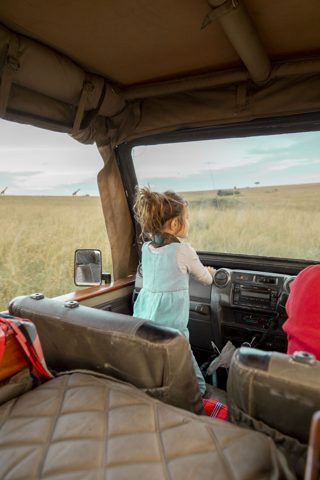
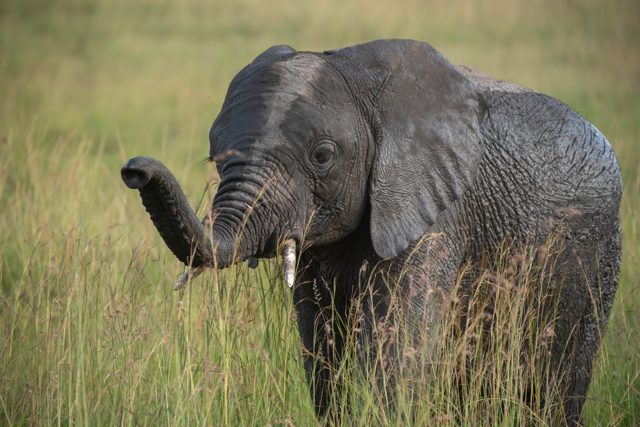
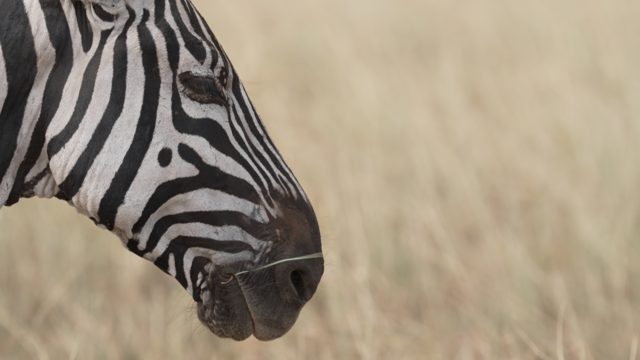
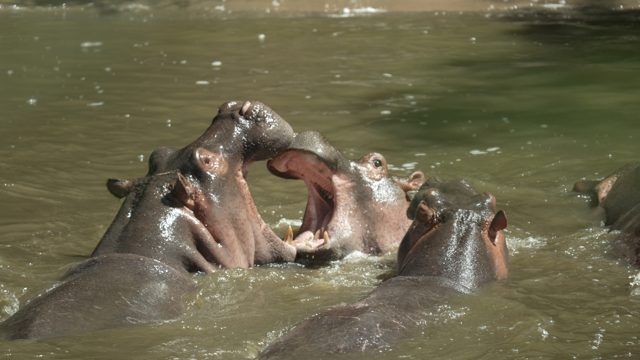
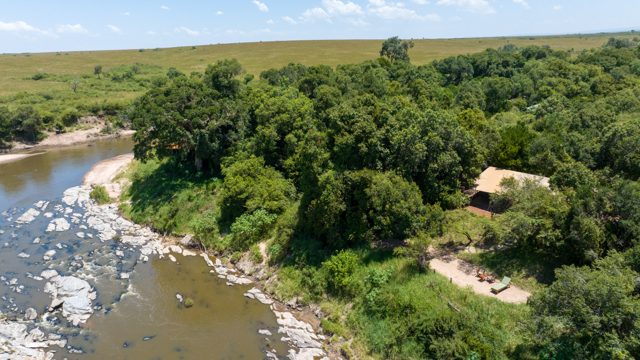
All imagery on this page is live from the Naibor Camp library, Maasai Mara — searchable, species-tagged and rights-clean in Uhai.
- 10,800
- photos and videos catalogued
- 4,300
- of them video, searched the same way
- 103,000
- descriptive tags written by the pipeline
- 1,500
- duplicate clusters found and folded away
Counted in the libraries running on Uhai today. Every number measured, none estimated.
How it works
- 1
Connect your Drive
Point Uhai at the shared folder your photos and videos already live in. Read-only, revocable, nothing moves and nothing is reorganised.
- 2
The library builds itself
Every photo and video gets a caption, species identification with scientific names, a location, a rights record and a place in a duplicate group — all of it reviewable and correctable by your team.
- 3
Search, clear, share
Find the exact shot in seconds, clear its rights once, and hand agencies a portal link that can only ever contain material you are allowed to send.
Photos find their own way in
No uploads portal to police. Photos flow in from wherever your team already is.
Drop into Drive
Anyone adds photos to the Google Drive folder you already use — Uhai watches it and new files are captioned, species-tagged and rights-filed within minutes.
WhatsApp from the field
Your library can be connected to a WhatsApp Business number during onboarding, so guides and rangers send photos straight from the vehicle. Each one is identified, credited to the sender, and held in the review queue until someone approves it.
Bulk archive import
Starting out, your whole back catalogue is ingested in one pass — years of photos become a searchable library overnight.
Field tip: in WhatsApp, share photos as a file — that keeps the camera’s capture time and GPS, so shots land on your map automatically. Ordinary photo sends arrive without them (WhatsApp strips that data), and Uhai then files the shot under the moment it was sent instead.

What you get
Everything below runs today, on real libraries — this is not a roadmap.
Plain-English search
“Male lion, golden hour” or “reef manta, Mnemba”. Uhai searches the captions, tags, species names and places it wrote for every file — no folder digging, no filename guessing, and word order doesn't matter.
Video, not just stills
Clips are catalogued and searched exactly like photographs. Four in every ten files in the libraries running today are video — and they are usually the ones nobody can find.
Species identification
Wildlife tagged with common and scientific names, filtered to your habitat so a savannah lodge is never offered reef species. Suggestions are marked unverified until one of your team confirms them.
Rights and consent, tracked
Every asset is Ready, Needs review or Do not use, with the photographer agreement, credit line, guest consent and any expiry date recorded against it.
Duplicates grouped, not deleted
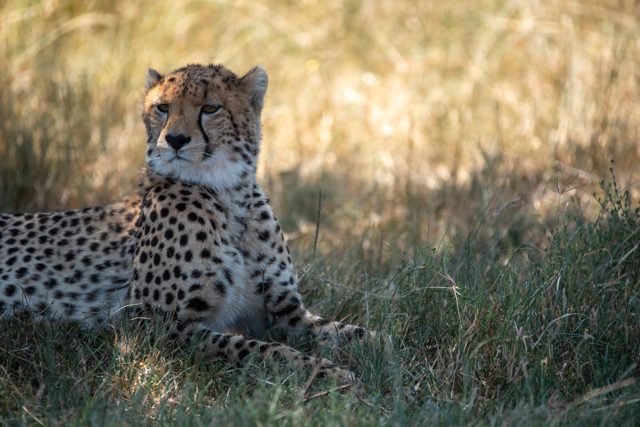
Near-identical frames and burst sequences are clustered behind one representative image, so a forty-frame cheetah burst stops burying everything else. Nothing is ever thrown away.
Client-ready collections
Curate a press kit or an agency handover and share one link. It opens as a clean, branded portal with credits and downloads — and only ever shows assets marked Ready.
Where it was taken
Captures are placed on a map from their GPS, and from the place names your own folders already use when the GPS is missing — which, for a scanned back catalogue, is most of it.
Your team, with roles
Invite the marketing manager, the guides and the GM at the access level each needs — browse, edit, or manage the team. Every change is logged against a name.
Ask it in a sentence
An assistant sits in the corner of the library and of the client portal. Ask it for “something for a Christmas newsletter, no people in shot” and it searches on your behalf, inside the same rights rules.
A review queue, not a free-for-all
Photos arriving from the field land in an inbox scored for sharpness and exposure, ready to approve or reject in bulk. Nothing reaches the library — or a client — unreviewed.
Your Drive stays yours
Uhai reads from your Google Drive and stores metadata only. Originals never move, access is read-only and revocable, and the whole catalogue exports as a spreadsheet whenever you like.
Conservation monitoring
The same library extends to camera-trap ingest, sightings and station analytics, and exports to the Camtrap DP standard so your data stays portable to GBIF or Wildlife Insights.
Know what you’re allowed to send
Every tourism business has the same quiet problem: the best photograph in the archive was taken by a freelancer in 2019 on terms nobody can find, and it is already on the website. Uhai makes that answerable.
- A status on every asset. Ready, Needs review, or Do not use — on the thumbnail, not buried in a document nobody opens.
- Clearing is a guided pass, not a spreadsheet. Work through the library in batches, and the declaration is recorded against the name of whoever made it.
- The gate is in the database. Collections, portal links and the assistant are filtered where the data lives, so unreviewed material cannot leak even if the wrong link gets shared.
- Guest consent is tracked apart from copyright. A photograph can be yours to own and still not yours to publish — Kenya’s Data Protection Act treats those as different questions, and so does Uhai.
Search like you’d say it
Real queries, real results from the Naibor Camp library. Every result carries its rights status and species identification.
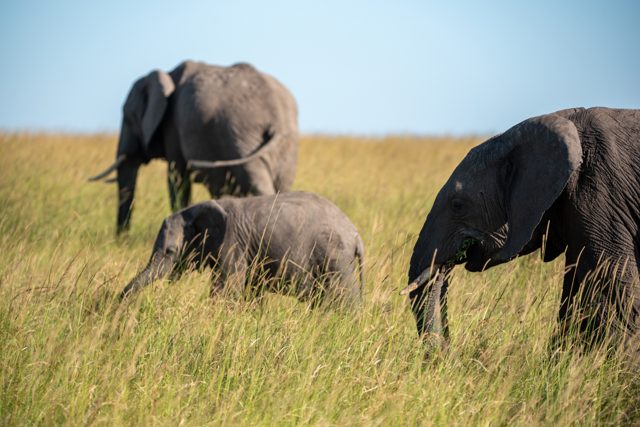 Ready
ReadyThree African bush elephants graze in tall grass
African bush elephant · Loxodonta africana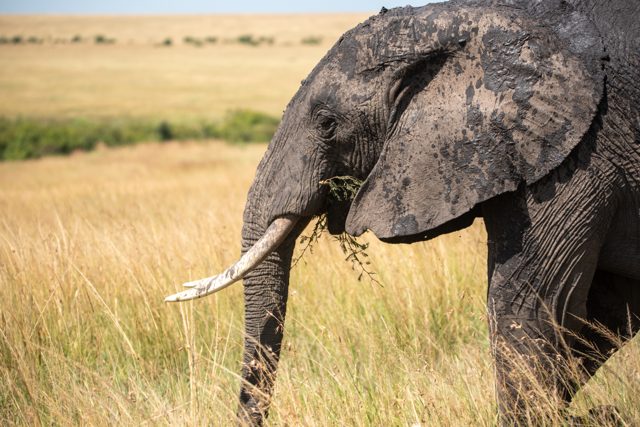 Ready
ReadyAfrican bush elephant eating foliage in a grassy field
African bush elephant · Loxodonta africana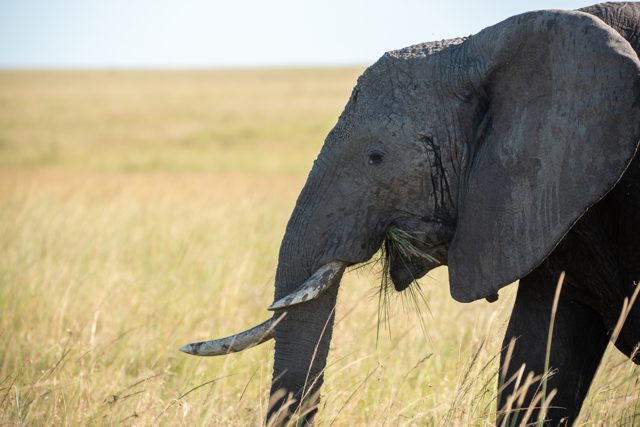 Ready
ReadyAfrican bush elephant grazing in tall grass
African bush elephant · Loxodonta africana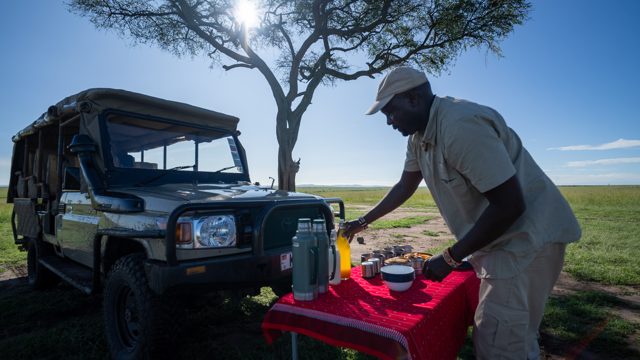 Ready
ReadyBush breakfast served from a safari vehicle
dining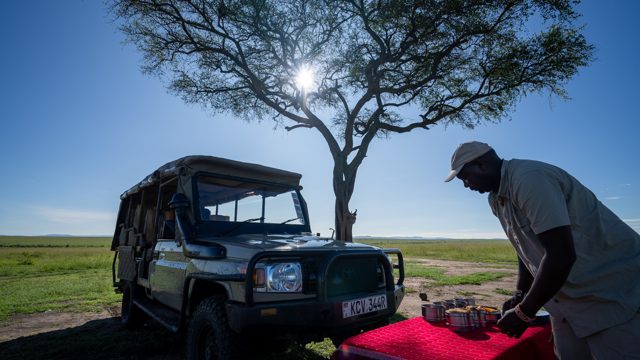 Ready
ReadyBush breakfast setup with safari vehicle and staff
dining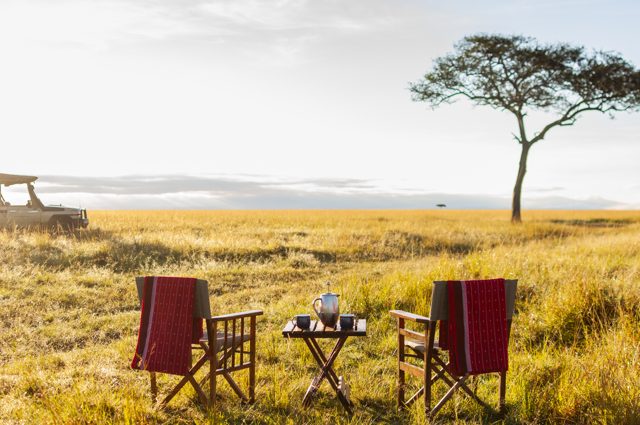 Ready
ReadyBush breakfast setup with chairs and table
diningStart a trial
Tell us about your archive and we will point Uhai at it. The trial runs on your own media, because a demo library proves nothing about yours.
- A free health check on your archiveHow many files you actually have, how much of it is duplicated, what is already searchable and where the rights gaps are. You keep that summary whether or not you go ahead.
- Your own media, not a demoWe index the folder you already use, so what you are trying is your library — captions, species, locations and rights built from your own material.
- Logins for the people who need themMarketing, guides, the GM — each at the access level they need, for two weeks once your library is live.
- An honest answer at the endIf your archive is too small, too tidy already, or better served by something else, we will say so. We would rather lose a trial than sell a subscription nobody needs.
Questions, answered
What actually happens when I request a trial?
A person reads it — there is no queue and no bot. You will hear back within one business day to agree which folder to point at. Once your library is live your team has logins for two weeks. No card, and no obligation at the end of it.
Where do our photos and videos actually live?
On your own Google Drive, exactly where they are today. Uhai indexes them and stores metadata only — captions, species, rights, locations, and a thumbnail for the grid. Originals are never copied to our servers, access is read-only, and you can revoke it at any time.
What do you need from us to get started?
Read-only (Viewer) access to one Google Drive folder, and someone who can answer questions about who shot what. That is genuinely it. Nothing is uploaded, nothing is reorganised, and your folder structure is left exactly as it is — Uhai even reads your folder names to work out where photos were taken.
How long before we can actually search?
A back catalogue of ten thousand files takes a few hours to index end to end, and it runs unattended. Smaller libraries are done the same day. After that, new files added to the folder are captioned and tagged within minutes.
Are we tied to Google Drive?
Google Drive is what is live today, because that is where our pilot properties keep their archives. Uhai's ingest is built on storage connectors, so Dropbox, OneDrive or S3-style buckets can be added — tell us what you use and we will factor it into the trial.
Can we get our data out again?
Yes, and it is a button rather than a favour. The catalogue — captions, tags, species, locations, rights and credits — exports as a spreadsheet, and conservation data exports to the Camtrap DP standard used by GBIF and Wildlife Insights. We would rather you could leave than have you locked in.
How accurate is the AI tagging?
Captions and species suggestions are AI-assisted and clearly marked as unverified until a person confirms them. Birds and marine species in particular get flagged for human review. You can correct anything, and your corrections always win over the AI.
What does “rights-clean” mean?
Each asset carries a usage status — Ready, Needs review, or Do not use — based on the photographer agreement and guest consent you record. Clearing rights is a guided pass through the library, and the declaration is recorded against the name of whoever made it. Shared collections and the client portal only ever expose assets marked Ready.
Can guides and rangers contribute from the field?
Yes — as part of onboarding your library can be connected to a WhatsApp Business number. Photos sent to it are captioned, species-tagged, credited to the sender and queued for review; nothing reaches the library until someone approves it. Tip: sharing a photo as a file rather than as a normal photo send preserves the camera's capture time and GPS, so the shot places itself on your map.
How do agencies and press get media?
You curate a collection and share a single link. It opens a clean, branded portal — no login needed — with captions, credits and downloads for rights-clean assets only.
What does it cost?
The trial is free, including the health check, and does not need a card. Pricing after that is per property and depends on the size of your library and whether you want the conservation side as well — we will walk you through it rather than make you decode a pricing table.
Who is behind Uhai?
Uhai is built by Nova Insight, working with safari lodges, coastal properties and conservation teams in East Africa. The same library that powers your marketing can power your conservation monitoring.

Put your archive to work
A trial starts with a free health check on the folder you already have — no migration, no card, no lock-in.
Start a trial